Renewable energy: The anchor between affordability, sustainaibly & convenience.
9 May 2026
There is a distinct kind of silence that settles over South Africa before a significant shift takes place. We have experienced it before, that collective pause as households and businesses wait for the next announcement, the next tariff increase, the next adjustment to what becomes the “new normal.”
But this time, the uncertainty is not being driven solely by the grid. It is being amplified by mounting pressure in global markets and rising economic volatility. Economists are already referring to this period as the “May Cliff”; a moment that could significantly influence energy pricing, operating costs, and financial planning well into 2026.
Although the national grid has demonstrated encouraging resilience in recent months, the cost of remaining dependent on traditional energy supply is increasingly becoming unpredictable and difficult for many households and businesses to absorb sustainably.
This is no longer only a conversation about load shedding. It is a broader conversation about affordability, energy security, and financial resilience. And perhaps the most practical response in this moment is no longer to wait for certainty – but to take greater control over how we power our homes, businesses, and future.
We’ve just seen one of the most punishing fuel adjustments in our history. With petrol 95 jumping by R3.27 and diesel by a staggering R5.27 per litre, we’ve officially crossed a psychological and economic threshold. Diesel is now pushing past the R31 per litre mark at the pumps according to the official May. 2026 fuel 12rice adjustments (04 May 2026), Department of Mineral and Petroleum Resources.
This is no longer only about the rising cost of filling a fuel tank. It is about the quiet ripple effect of “invisible inflation” across everyday life. Diesel powers the trucks that move food across the country and the generators that sustain critical supply chains. When fuel prices become this volatile, the impact is eventually reflected in the cost of essentials on every household budget.
It is an uncomfortable reality, but for many South Africans, remaining fully dependent on the grid is becoming increasingly expensive. Despite improvements in electricity generation, the approved 2026/27 tariff increases continue to outpace inflation significantly, with municipal customers expected to face even sharper increases in the coming months.
The long-term impact is substantial. Every year that households and businesses delay transitioning to alternative energy solutions, they absorb another cycle of escalating operational costs. For businesses, this places additional pressure on margins and growth. For families, it quietly redirects money away from savings, opportunities, and quality of life simply to cover rising utility expenses.
The financial equation has changed. Solar is no longer viewed only as an alternative energy option – for many, it is becoming a strategic decision for long-term financial resilience and stability. The transition to energy independence is not an overnight decision, but a strategic and phased investment in long-term resilience.
It begins with understanding where energy consumption is highest and gradually shifting those demands toward smarter, renewable solutions. More importantly, it is about transforming rising utility expenses into infrastructure that delivers long-term value as electricity costs continue to increase.
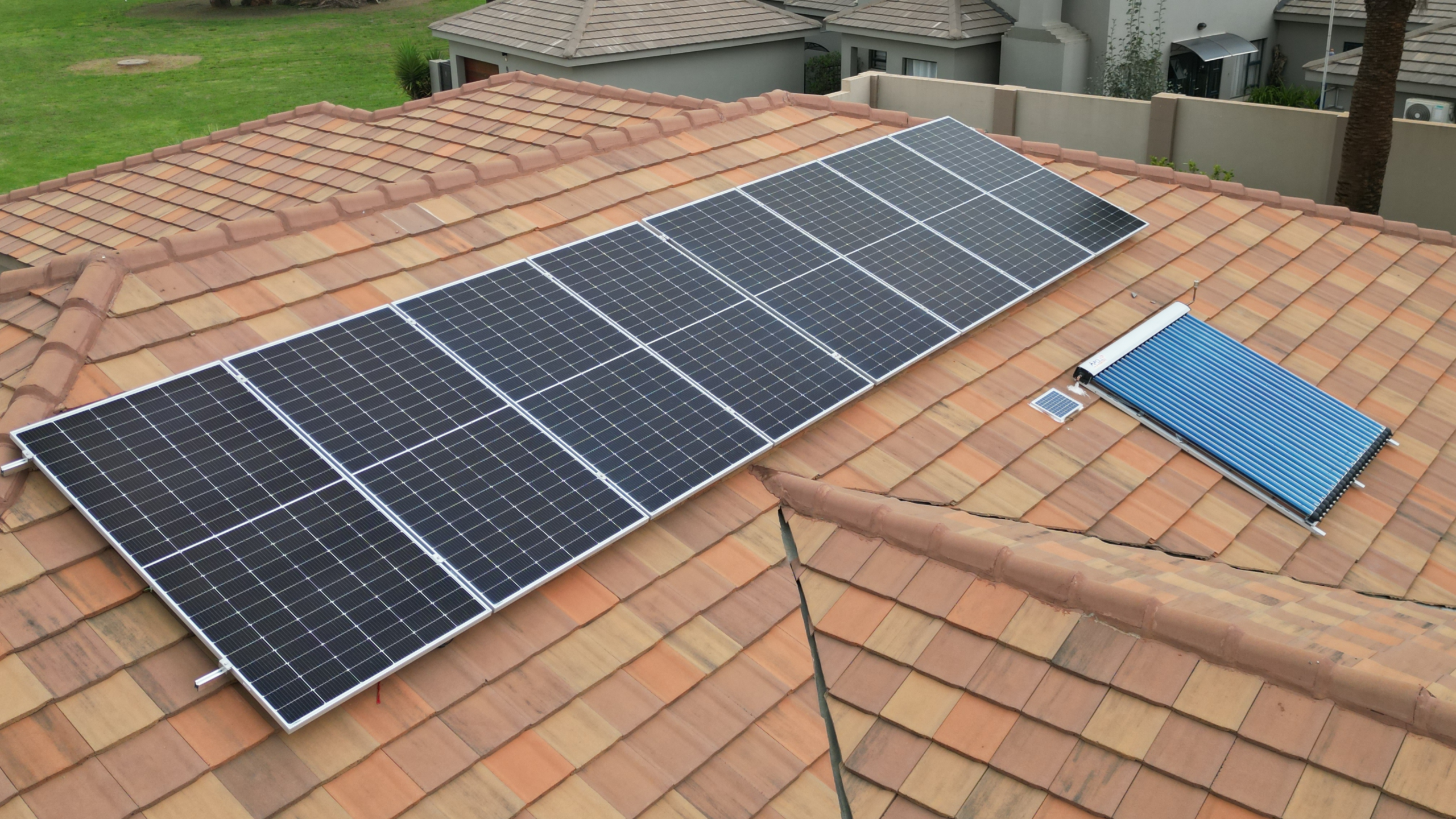
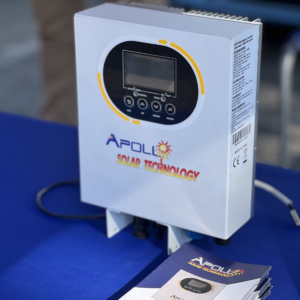
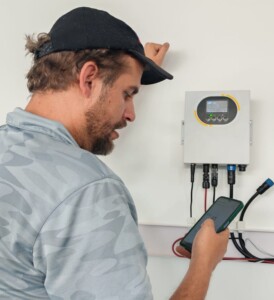
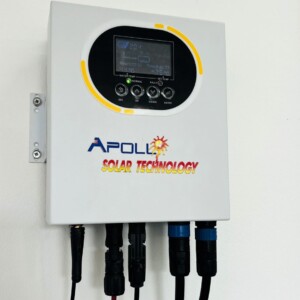
At Apollo Solar Technology, we approach solar differently. Rather than offering generic solutions, we design integrated energy ecosystems tailored to the realities of the South African market. Our NeoPV Smart Water Heating system was developed specifically to help households and businesses reduce dependence on the grid while improving efficiency, reliability, and long-term cost savings.
Preparing for the 2026 energy sector restructures.
As South Africa moves toward significant energy sector restructures in 2026, households and businesses are entering a period that will demand greater
adaptability, efficiency, and long-term planning. The transition toward a more decentralised energy landscape presents both challenges and opportunities, particularly for those still heavily reliant on traditional grid systems.
At Apollo Solar Technology, we believe preparation is no longer optional, it is strategic. By investing in smart renewable energy solutions today, businesses and families can position themselves ahead of rising tariffs, evolving energy regulations, and growing operational uncertainty. The future of energy belongs to those who are proactive enough to build resilience before it becomes urgent.